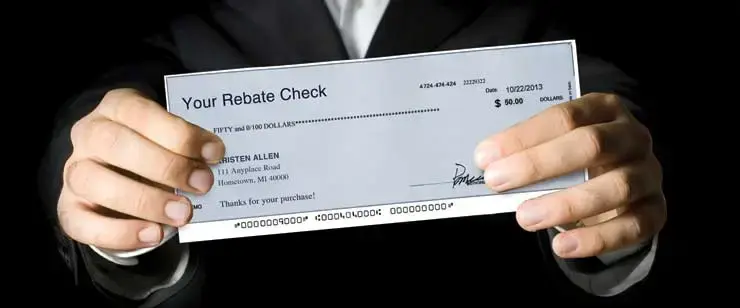
MLR stands for Medical Loss Ratio. It’s a rule from the Affordable Care Act (ACA) that says health insurance companies have to spend most of the money they get from your premiums (the amount you pay for your insurance) on actual healthcare services—like doctor visits, hospital stays, or prescriptions. Specifically, they need to spend at least 80% (or 85% for some plans) of that money on healthcare, not on things like marketing, profits, or fancy office decorations.
If an insurance company spends less than that 80-85% on your care, they have to give the extra money back to you or your employer. That’s what an MLR rebate is—a refund! It’s like getting a little cash back because the insurance company didn’t spend enough on healthcare for you and others in your plan.
How does it work?
Why does this matter?
It’s a way to keep insurance companies honest and make sure they’re using your premiums to actually help you stay healthy, not just to pad their wallets. If you get a rebate, it’s a nice little bonus, but it also means your insurer might not be spending enough on healthcare services for you and others.
If you’re curious about whether you’ll get a rebate or how much, check with your insurance provider or employer around rebate season! If you’re in Illinois, the transition to Get Covered Illinois in 2026 might affect how insurers manage premiums and rebates, especially with new subsidy rules. Keep an eye on your insurer’s communications around August/September for rebate notices, and check with your agent
If an insurance company spends less than that 80-85% on your care, they have to give the extra money back to you or your employer. That’s what an MLR rebate is—a refund! It’s like getting a little cash back because the insurance company didn’t spend enough on healthcare for you and others in your plan.
How does it work?
- You might get a check or credit. If you’re owed a rebate, it could show up as a
- check in the mail
- lower premium
- deposit in your bank account, depending on your plan
- Employers might get it too. If you have insurance through work, your employer might get the rebate and decide how to share it (like lowering your future premiums or boosting benefits).
- It’s not always big money. Rebates can be small (like $20-$100) or sometimes more, depending on how much the insurer “overspent” on non-healthcare stuff.
- Timing. Rebates usually come around late summer or fall if the insurer didn’t meet the MLR rule for the previous year. Insurers must issue rebates by September 30 of the following year (e.g., for 2025 data, rebates are due by September 30, 2026).
Why does this matter?
It’s a way to keep insurance companies honest and make sure they’re using your premiums to actually help you stay healthy, not just to pad their wallets. If you get a rebate, it’s a nice little bonus, but it also means your insurer might not be spending enough on healthcare services for you and others.
If you’re curious about whether you’ll get a rebate or how much, check with your insurance provider or employer around rebate season! If you’re in Illinois, the transition to Get Covered Illinois in 2026 might affect how insurers manage premiums and rebates, especially with new subsidy rules. Keep an eye on your insurer’s communications around August/September for rebate notices, and check with your agent
Example in Numbers
Let’s say an insurer in Illinois’ individual market in 2025:
- Collects $10 million in premiums.
- Pays $500,000 in taxes/fees → Adjusted premiums = $9.5 million.
- Spends $7 million on healthcare claims.
- Spends $300,000 on quality improvement.
- MLR = ($7M + $300,000) ÷ $9.5M = 7.3M ÷ 9.5M ≈ 76.84%.
- Since 76.84% is below 80%, they owe a rebate:
- Rebate = (80% - 76.84%) × $9.5M = 3.16% × $9.5M ≈ $300,400.
- This $300,400 is distributed among policyholders based on their share of premiums.