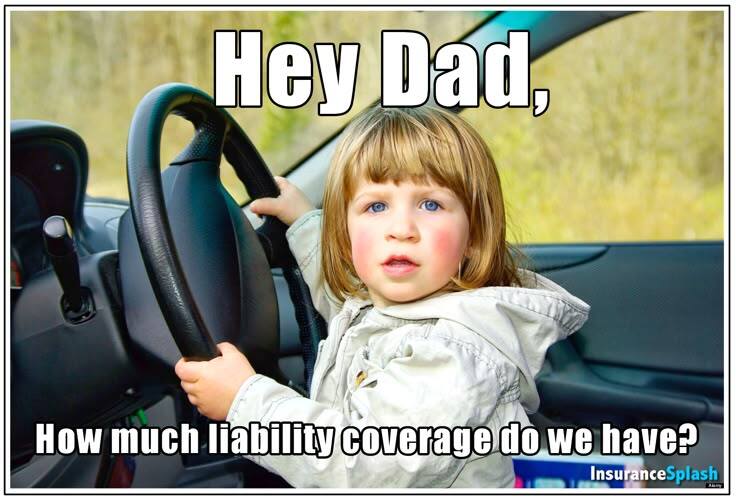
When you’re shopping for car insurance, it’s easy to get tripped up by myths that sound like common sense but aren’t quite true. Let’s clear up the confusion with some friendly facts to help you make smart choices about your auto policy!
Myth 1: The color of your car affects your insurance rates
Nope, it doesn’t matter if your car is bright red or plain white—color has zero impact on your insurance costs! What does matter? Things like the car’s make, model, engine size, age, sticker price, repair costs, safety record, and theft risk. Plus, insurers look at your age, driving history, and sometimes even your credit score to set your premium.
Myth 2: Older drivers always pay more for car insurance
Not true! In fact, older drivers might score some sweet discounts. If you’re over 55 and complete an accident prevention course (offered by places like AAA or AARP), you could save on your premium. Retirees or part-time workers who drive less may also qualify for lower rates. Discounts vary by state and insurer, so chat with your insurance agent to see what’s available!
Myth 3: Your credit score doesn’t affect your insurance rates
Actually, it might! Many insurers use a credit-based insurance score (based on your credit history) to help predict the likelihood of you filing a claim. A solid credit score can mean lower premiums, so keeping your finances in check could save you money on insurance.
Myth 4: Your car is automatically covered for theft, vandalism, or damage from things like hail or falling trees
Not quite! To protect your car from these risks, you’ll need to add comprehensive and collision coverage to your policy. If your car’s value is low (say, under $1,000 or less than 10 times your premium), these extras might not be worth it—but they’re a must for full protection.
Myth 5: The state’s minimum liability coverage is enough
Think again! While every state requires a minimum amount of liability insurance, sticking to the bare minimum could leave you paying big out-of-pocket costs after an accident. Experts recommend at least $100,000 per person and $300,000 per accident for bodily injury coverage. Got a lot of assets? An umbrella liability policy might be a smart move for extra protection.
Myth 6: If someone else drives your car, their insurance covers any accidents
Not always! In most states, the car owner’s insurance is the primary coverage, meaning your policy would kick in if there’s an accident, no matter who’s behind the wheel. Rules vary by state, so double-check before letting someone borrow your car. And never let an uninsured minor drive your vehicle—it’s a risky move!
Myth 7: No-fault insurance means you’re never at fault
Not quite! “No-fault” just means each driver handles their own damages after an accident, regardless of who caused it. If you’re at fault, you’ll still need to cover your damages, and your premiums might go up later.
Myth 8: Personal auto insurance covers business use of your car
Heads up—if you use your car for work, like driving for Uber, your personal auto policy might not have you covered. You’ll likely need a business vehicle insurance policy. And if employees drive your car, make sure to check their driving records regularly.
Myth 9: Items stolen from your car are covered by auto insurance
Actually, your renters or homeowners insurance is what covers personal items like your laptop or phone if they’re stolen from your car. So, if something’s taken, file a claim with your home or renters insurance, not your auto policy.
Myth 10: Military members pay more for car insurance
Great news for service members! Being in the military—any branch—can qualify you for auto insurance discounts. Just provide proof of your name, rank, and enlistment period (or have your commanding officer make a call). Some insurers even offer discounts to veterans and their families, so shop around for the best deal!
Myth 1: The color of your car affects your insurance rates
Nope, it doesn’t matter if your car is bright red or plain white—color has zero impact on your insurance costs! What does matter? Things like the car’s make, model, engine size, age, sticker price, repair costs, safety record, and theft risk. Plus, insurers look at your age, driving history, and sometimes even your credit score to set your premium.
Myth 2: Older drivers always pay more for car insurance
Not true! In fact, older drivers might score some sweet discounts. If you’re over 55 and complete an accident prevention course (offered by places like AAA or AARP), you could save on your premium. Retirees or part-time workers who drive less may also qualify for lower rates. Discounts vary by state and insurer, so chat with your insurance agent to see what’s available!
Myth 3: Your credit score doesn’t affect your insurance rates
Actually, it might! Many insurers use a credit-based insurance score (based on your credit history) to help predict the likelihood of you filing a claim. A solid credit score can mean lower premiums, so keeping your finances in check could save you money on insurance.
Myth 4: Your car is automatically covered for theft, vandalism, or damage from things like hail or falling trees
Not quite! To protect your car from these risks, you’ll need to add comprehensive and collision coverage to your policy. If your car’s value is low (say, under $1,000 or less than 10 times your premium), these extras might not be worth it—but they’re a must for full protection.
Myth 5: The state’s minimum liability coverage is enough
Think again! While every state requires a minimum amount of liability insurance, sticking to the bare minimum could leave you paying big out-of-pocket costs after an accident. Experts recommend at least $100,000 per person and $300,000 per accident for bodily injury coverage. Got a lot of assets? An umbrella liability policy might be a smart move for extra protection.
Myth 6: If someone else drives your car, their insurance covers any accidents
Not always! In most states, the car owner’s insurance is the primary coverage, meaning your policy would kick in if there’s an accident, no matter who’s behind the wheel. Rules vary by state, so double-check before letting someone borrow your car. And never let an uninsured minor drive your vehicle—it’s a risky move!
Myth 7: No-fault insurance means you’re never at fault
Not quite! “No-fault” just means each driver handles their own damages after an accident, regardless of who caused it. If you’re at fault, you’ll still need to cover your damages, and your premiums might go up later.
Myth 8: Personal auto insurance covers business use of your car
Heads up—if you use your car for work, like driving for Uber, your personal auto policy might not have you covered. You’ll likely need a business vehicle insurance policy. And if employees drive your car, make sure to check their driving records regularly.
Myth 9: Items stolen from your car are covered by auto insurance
Actually, your renters or homeowners insurance is what covers personal items like your laptop or phone if they’re stolen from your car. So, if something’s taken, file a claim with your home or renters insurance, not your auto policy.
Myth 10: Military members pay more for car insurance
Great news for service members! Being in the military—any branch—can qualify you for auto insurance discounts. Just provide proof of your name, rank, and enlistment period (or have your commanding officer make a call). Some insurers even offer discounts to veterans and their families, so shop around for the best deal!
The first auto insurance policy was granted to Gilbert J. Loomis in Ohio in 1897.
- Fun Facts about Car Insurance
On average, drivers file an accident claim every 18 years, according to Spivey Insurance.
For more insights on auto insurance and other interesting topics about different kinds of insurance, visit our blog.